A joint training by Premagrow and Sunripe Rwanda, facilitated by Baptiste Tuyishimire and William Macharia — 25th June 2026.
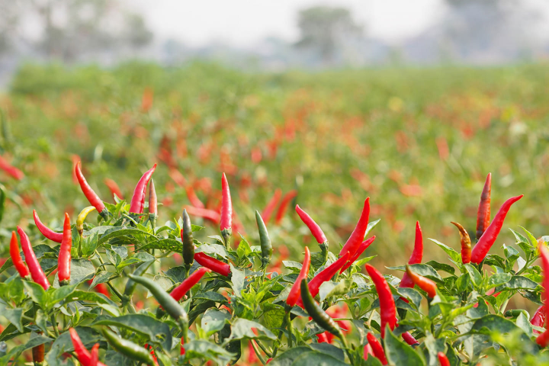
Bird’s Eye Chilli has become one of the most rewarding export crops for smallholder and commercial farmers alike, thanks to strong international demand, a long harvesting window, and multiple routes to market. This article brings together the key lessons from the joint Premagrow–Sunripe Rwanda training on smart chilli farming for global markets, covering everything from seedling selection to export compliance.
About Premagrow

Premagrow positions itself as a strategic anchor in farming business ventures. The organisation is built around four core values:
- Reliable — committed to delivering products as promised
- Affordable — offering value for money
- Listening — working to meet customer demands
- Accessible — available to meet customer needs
About Sunripe Rwanda

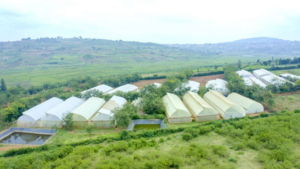
Sunripe Rwanda serves as a model of sustainable agriculture and responsible land stewardship, aiming to positively impact its community and the farmers it serves. The company operates on an integrated model, practises proper land stewardship, and is a licensed exporter. More information is available at www.sunripefarmsrwanda.com.
Training Objectives
- Understand production requirements
- Establish healthy seedlings
- Manage nutrition and irrigation
- Control pests and diseases
- Apply phytosanitary measures and manage Maximum Residue Limits (MRLs)
- Improve yields and profitability
Why Grow Bird’s Eye Chilli?
- High-value cash crop
- Strong export demand
- Prolonged harvesting period — up to 12 weeks
- Multiple value-addition opportunities
Market Opportunities
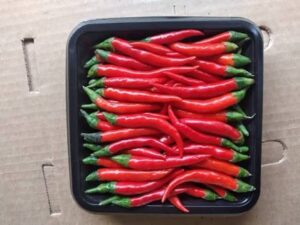
- Fresh export market — UK, EU, and the Middle East
- Dried export market
- Chilli powder, flakes, and sauces through local processing firms
Crop Characteristics
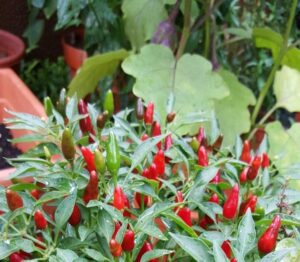
Bird’s Eye Chilli can be identified by several distinct features:
- Small, upright green or red fruits
- Extremely hot taste
- Bushy, perennial growth habit
- Continuous flowering and fruiting
- Excellent drying quality and long shelf life
Growth Stages
The crop moves through the following stages: germination, seedling, transplanting, vegetative growth, flowering, fruit set, fruit development, harvest, and post-harvest handling (grading, sorting, and cold chain management).
Climate Requirements
- Temperature: 18–30°C
- Rainfall: 800–1200 mm
- Sunlight: 6–8 hours daily
- Altitude: 800–1600 metres above sea level
Soil Requirements
- Well-drained soils
- pH of 5.5–6.5
- High organic matter content
- Well-raised beds
Why Choose Premagrow Seedlings
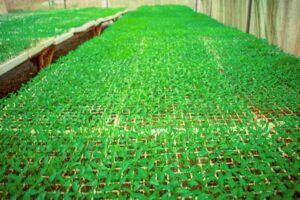
- Disease-free seedlings
- Strong plant vigour
- Reduced mortality
- Compact root mass
- Well hardened before transplanting
Features of a Ready Seedling
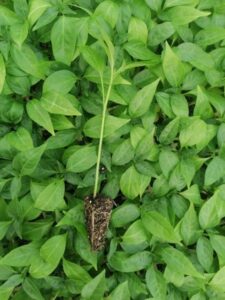
- 5–6 weeks old
- 4–6 true leaves
- 10–15 cm tall
- Strong stem and healthy root system
- Free from pests and diseases
Key Success Factors for Transplanting
- Use healthy, hardened seedlings
- Transplant when soil moisture is adequate
- Irrigate immediately after planting
- Maintain weed-free fields
- Apply balanced nutrition
- Scout regularly for pests and diseases
- Replace missing plants early
Land Preparation and Planting Space
- Deep plough the land to 30–45 cm
- Incorporate 10–20 tons per hectare of well-decomposed manure
- Prepare raised beds in poorly drained areas
- Install irrigation systems before planting
- Mark planting rows according to recommended spacing
Fertilizer & Nutrition Program
| Crop Stage | Application | Rate per Ha | Reason for Application |
|---|---|---|---|
| Pre-planting | Manure/compost, Lime | 10,000–20,000 kg | Improves soil organic matter, structure, and pH |
| Transplanting | DAP/SOP | 100–150 kg | Root development |
| Vegetative stage | CAN/Urea | 50–100 kg | Boosts vegetative growth |
| Pre-flowering | NPK, Calcium nitrate | 50 kg, 20 kg | Flower initiation boost |
| Fruiting & flowering | SOP (Sulphate of Potash), Calcium Nitrate, MAP | 40 kg, 30 kg, 10 kg | Fruit size, firmness, shelf life, and pungency (heat) |
| Harvesting stage | SOP/Calcium Nitrate/MAP | 40–50 kg | Boosts yields |
Foliar Nutritional Program
| Crop Stage | Product | Rate | Remarks |
|---|---|---|---|
| Vegetative | Calcium Nitrate | 5 kg/ha | Strengthens cell walls, promotes vigorous growth |
| Vegetative | Magnesium Sulphate | 5 kg/ha | Enhances chlorophyll production and photosynthesis |
| Flowering | Calcium Boron | Label rate | Improves flowering, pollen viability, and fruit set |
| Flowering | Magnesium Sulphate | 5 kg/ha | Maintains leaf health and supports flowering |
| Fruiting | Calcium Boron | Label rate | Reduces fruit cracking and blossom-end disorders, improves fruit quality |
| Fruiting | Magnesium Sulphate | 5 kg/ha | Supports continuous fruit filling and maintains green foliage |
Biostimulants Program
| Week | Biostimulant | Remarks |
|---|---|---|
| Week 1 | Cropmax Rooting | Stimulates root growth and transplant recovery |
| Week 3 | Seaweed Extract | Promotes root development and stress tolerance |
| Week 5 | Cropmax Universal | Enhances vegetative growth and nutrient uptake |
| Week 7 | Seaweed Extract | Encourages branching and canopy development |
| Week 9 | Cropmax Universal + Calcium Boron | Improves flower initiation and plant vigour |
| Week 11 | Seaweed Extract | Improves flower retention and reduces stress |
| Week 13 | Cropmax Universal | Reduces flower and fruit drop |
| Week 15 | Seaweed Extract | Maintains flowering and continuous fruit setting |
| Week 17 | Cropmax Universal | Extends productive harvest period |
| Ongoing | Alternate every 2 weeks | — |
Irrigation Management
| Crop Stage | Water Requirement (m³/ha/week) |
|---|---|
| Establishment | 15–20 |
| Vegetative growth | 20–25 |
| Flowering | 30–35 |
| Fruit set | 42–49 |
| Peak harvest | 49–56 |
| Late harvest | 35–42 |
Benefits of Mulching and Weeding
Mulching is one of the most effective agronomic practices for Bird’s Eye Chilli production because it improves moisture conservation, weed suppression, and overall crop performance.
| Benefit | Impact on Bird’s Eye Chilli |
|---|---|
| Moisture conservation | Reduces water loss through evaporation and improves irrigation efficiency |
| Weed suppression | Reduces weed emergence and competition for nutrients and water |
| Temperature regulation | Maintains a more stable root-zone temperature |
| Cleaner fruits | Reduces soil splash and contamination during rain or irrigation |
| Reduced disease pressure | Minimises spread of soil-borne pathogens and fungal spores |
| Improved fertilizer efficiency | Reduces nutrient leaching and improves nutrient uptake |
| Better root development | Creates favourable soil conditions for root growth |
| Increased yield | Often results in higher fruit set, better fruit quality, and longer harvest periods |
Pest Management
Major Insect Pests in Bird’s Eye Chilli
| Pest | Damage Symptoms | Critical Crop Stage |
|---|---|---|
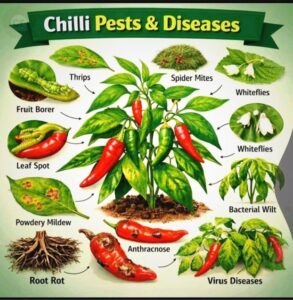
| Thrips | Silvering of leaves, flower drop, fruit scarring | Nursery to harvest |
| Aphids | Curling leaves, honeydew, virus transmission | Vegetative to harvest |
| Whiteflies | Yellowing leaves, honeydew, virus transmission | All stages |
| Spider mites | Leaf bronzing, webbing, leaf drop | Hot and dry periods |
| Fruit borers | Holes in fruits, internal feeding | Fruiting to harvest |
| Leaf miners | Serpentine tunnels in leaves | Vegetative stage |
| Cutworms | Cut seedlings at soil level | Establishment stage |
| Caterpillars (Helicoverpa, Spodoptera) | Feeding on leaves, flowers, and fruits | Vegetative to harvest |
| Root-knot nematodes | Stunted growth, root galls | Entire season |
Weekly IPM Calendar
| Activity | Frequency |
|---|---|
| Field scouting | Twice weekly |
| Sticky trap inspection | Weekly |
| Weed removal | Every 2–3 weeks |
| Beneficial insect monitoring | Weekly |
| Pest record updates | Weekly |
| Removal of infested fruits | During each harvest |
Key IPM Principles for Export Bird’s Eye Chilli
- Start scouting immediately after transplanting
- Use sticky traps as an early warning system
- Maintain strict weed control around and within the field
- Rotate insecticide modes of action when chemical intervention is necessary
- Favour biological products, as reduced chemical use helps manage MRL exposure
- Harvest and remove damaged fruits promptly
- Keep detailed pest monitoring records to guide interventions
Disease Management
Disease Risk by Crop Stage
| Crop Stage | Major Diseases |
|---|---|
| Nursery | Damping-off |
| Establishment | Bacterial wilt, Phytophthora |
| Vegetative growth | Bacterial leaf spot, Cercospora |
| Flowering | Powdery mildew, viruses |
| Fruiting | Anthracnose, Phytophthora |
| Harvest | Anthracnose, powdery mildew, viruses |
Integrated Disease Prevention Program
| Practice | Benefit |
|---|---|
| Certified seedlings | Reduces introduction of pathogens |
| Raised beds | Improves drainage |
| Drip irrigation | Reduces leaf wetness |
| Plastic mulch | Reduces soil splash |
| Crop rotation | Lowers soil-borne disease pressure |
| Regular scouting | Early disease detection |
| Removal of infected plants/fruits | Reduces disease spread |
| Balanced nutrition | Improves plant resilience |
| Proper spacing | Improves airflow |
Phytosanitary Requirements
Export markets such as the UK and EU require fresh Bird’s Eye Chillies to be free from pests, diseases, and contaminants.
Key Requirements
- Produce pest-free and disease-free chillies
- Maintain good field sanitation
- Follow Integrated Pest Management (IPM)
- Harvest only healthy fruits
- Obtain a Phytosanitary Certificate before export
Benefits
- Access to premium export markets
- Reduced shipment rejection
- Increased buyer confidence
- Better prices and long-term contracts
Maximum Residue Limits (MRLs) & Food Safety
MRLs are the maximum legal levels of pesticide residues allowed on exported chilli fruits. Responsible pesticide use and proper record-keeping are essential for successful exports to the UK and EU — every spray matters, and non-compliance can put entire consignments at risk.
Harvesting & Quality
Harvesting Guidelines
- Harvest fully mature, bright red fruits only
- Pick healthy fruits free from pests, diseases, and damage
- Harvest during the cool hours of the day
- Use clean containers and avoid bruising the fruit
- Keep harvested fruits off the ground
Export Quality Requirements
- Uniform colour and maturity
- Free from pests, diseases, and foreign matter
- No pesticide residue issues
- Compliance with buyer specifications
Post-Harvest Handling
Best Practices
- Sort and remove damaged or diseased fruits
- Grade according to buyer specifications
- Keep fruits clean and free from contaminants
- Handle carefully to prevent bruising
- Store in a cool, shaded area before transport
Benefits
- Maintains product quality
- Extends shelf life
- Reduces post-harvest losses
- Meets export market standards
Marketing and Export Standards
Market Opportunities
- Fresh export market (UK, EU, Middle East)
- Dried chilli market
- Processors and spice manufacturers
- Local and regional markets
Export Quality Standards
- Fully mature, bright red fruits
- Uniform size and colour
- Free from pests, diseases, and defects
- Free from foreign matter and contaminants
- Compliant with Phytosanitary and MRL requirements
Get in Touch
For more information on smart chilli farming for global markets, or to enquire about seedlings, training, or export partnerships, reach out to the team:
- Facilitator: Baptiste Tuyishimire — +250 788 464 480 / +250 785 473 075 (General Inquiries)
- Katani: +254 796 140 566 / +254 780 573 464
- Meru: +254 769 600 244 / +254 733 318 029
- Email: premagrow@gmail.com | info@Premagrow.com | info@sunripefarmsrwanda.com
- Websites: www.premagrow.com | www.sunripefarmsrwanda.com
- Facebook: facebook.com/Premagrow